The Beginner’s Guide to Scaling Your Business With a D2C Ecommerce Agency
The Future of Retail: How D2C Ecommerce Provider Can Transform Your Business
The retail landscape is advancing, driven by the rise of direct-to-consumer (D2C) ecommerce services. Brand names are increasingly looking for ways to connect with customers on an individual degree while enhancing their operations. This shift not just boosts revenue margins yet additionally modifies the buying experience significantly. As companies adapt to these changes, the implications for brand loyalty and client involvement end up being essential. What approaches will specify success in this brand-new era?
Recognizing the D2C Ecommerce Version
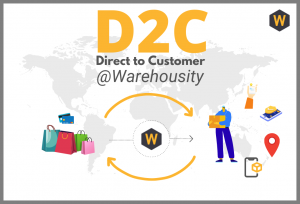
As customers progressively seek personalized shopping experiences, the Direct-to-Consumer (D2C) ecommerce version has become a transformative strategy in retail. This design enables brands to sell directly to their consumers, bypassing traditional intermediaries like merchants and wholesalers. By developing a direct partnership with consumers, firms can get much deeper insights into customer preferences and behaviors.D2C ecommerce leverages electronic platforms, making it possible for brand names to control their distribution, pricing, and advertising and marketing processes. This approach cultivates agility, allowing organizations to adjust promptly to market fads and consumer comments. Notably, D2C models usually utilize data analytics to boost product offerings and consumer engagement strategies.In a significantly affordable landscape, the D2C design equips companies to grow brand name loyalty and create customized experiences that reverberate with their target audience. This way, recognizing the ins and outs of D2C ecommerce is important for brand names aiming to grow in the modern retail setting.
Benefits of Direct-to-Consumer Approaches
While many services grapple with the complexities of conventional retail, the Direct-to-Consumer (D2C) approach uses distinctive benefits that can greatly boost brand name efficiency. By removing intermediaries, brands keep higher control over their prices, product presentation, and total customer experience. This straight partnership fosters brand loyalty, as customers really feel more connected to the brand name and its values.Additionally, D2C methods usually lead to higher revenue margins, since companies can retain the entire list price rather than sharing it with suppliers or stores. D2C versions likewise permit brand names to react promptly to market trends and consumer choices, facilitating even more dexterous supply administration and product development. Moreover, services can produce personalized marketing campaigns that reverberate with their audience, inevitably driving greater conversion prices. In this advancing retail landscape, D2C approaches offer a possibility for brand names to differentiate themselves and accomplish lasting growth.
Leveraging Information Analytics for Consumer Insights
.jpg?width=1200&height=800&name=thumbnail-1200x800%20(1).jpg)
Comprehending Customer Behavior Patterns
How can organizations efficiently decipher the intricacies of customer actions in a rapidly advancing digital landscape? By using data analytics, companies can gain beneficial understandings right into their customers' behaviors, motivations, and preferences. Analyzing surfing patterns, acquisition history, and responses permits brands to identify patterns and sector their target market properly. This understanding not only improves product offerings yet likewise individualizes advertising methods, fostering stronger consumer connections. In addition, businesses can monitor social networks communications and on the internet testimonials to evaluate sentiment and adapt to altering customer expectations. In this method, data-driven strategies empower brands to anticipate requirements and fine-tune their methods, ultimately resulting in enhanced consumer contentment and loyalty in the affordable D2C ecommerce setting.
Anticipating Analytics for Fads
As services seek to stay affordable in the D2C ecommerce landscape, leveraging predictive analytics ends up being crucial for determining arising trends and customer choices. By analyzing historic data, companies can forecast future purchasing behaviors, enabling them to customize their offerings successfully. Predictive analytics enables stores to sector their target market based upon buying patterns, making sure targeted advertising strategies that resonate with unique consumer groups. In addition, these understandings facilitate inventory management, lowering overstock and reducing stockouts. As brand-new patterns arise, organizations can promptly adapt their product, enhancing client contentment and loyalty. Inevitably, the combination of anticipating analytics empowers D2C brand names to make data-driven decisions, cultivating advancement and development in a significantly vibrant market.
Enhancing Client Engagement Through Personalization
While lots of brands acknowledge the importance of customer engagement, personalization emerges as an essential approach to foster deeper links with consumers (D2C Ecommerce Agency). By leveraging information analytics, brand names can customize experiences to private preferences, producing an extra appropriate shopping journey. Personalized suggestions, targeted promotions, and customized web content significantly boost the client experience, making customers feel valued and understood.Moreover, utilizing various communication networks enables brands to engage clients in ways that reverberate with them. As an example, customized e-mails, social media communications, and tailored web site experiences can drive loyalty and repeat acquisitions. This approach not just boosts consumer complete satisfaction but also urges brand name advocacy, as pleased consumers are much more most likely to share their favorable experiences with others.Ultimately, customization is not simply a trend but a fundamental part of successful D2C ecommerce approaches, enabling brand names to construct enduring partnerships and boost their market visibility
Streamlining Supply Chain and Operations
Structure Brand Loyalty in an Open Market

Individualized Buying Experience
The contemporary customer landscape is identified by a frustrating option of brand names and products, making it important for services to differentiate themselves through individualized purchasing experiences. By leveraging data analytics and customer understandings, brand names can tailor their offerings to specific preferences, thus enhancing customer contentment. Tailored referrals, targeted promos, and personalized interaction can foster a feeling of link, making customers feel valued. This method not only improves immediate sales but additionally cultivates long-term brand name commitment. Additionally, D2C ecommerce services enable brand names to gather real-time comments and adjust their approaches as necessary, making certain relevance in a vibrant market. Eventually, an individualized buying experience can change informal purchasers right into specialized supporters, strengthening a brand's placement in a competitive landscape.
Engaging Brand Name Narration
Engaging brand storytelling offers as a powerful device for companies seeking to construct commitment in a competitive market. By weaving stories that resonate with consumers, brands can develop emotional links that extend beyond purchases. Involving stories highlight a brand name's worths, objective, and special marketing suggestions, allowing consumers to recognize with the brand on an individual level. D2C Ecommerce Agency. This link cultivates depend on and motivates repeat purchases, as customers feel straightened with a brand name's ethos. Additionally, effective narration can distinguish a brand name from its competitors, making it much more remarkable in a crowded industry. As customers significantly seek credibility and meaning in their options, brands that invest in appealing narration are likely to grow long-term relationships and improve customer loyalty
Future Trends in D2C Ecommerce Provider
As customer choices progress, D2C ecommerce solutions are poised to go through considerable changes in the coming years. Enhanced personalization will become a crucial pattern, with brand names leveraging AI and data analytics to tailor buying experiences to individual consumers. In addition, sustainability will end up being a prime focus, as consumers significantly seek green items and clear supply chains, prompting brand names to take on greener practices.Omnichannel methods will certainly also obtain grip, integrating on the internet platforms with physical touchpoints to produce seamless customer trips. Mobile business will remain to increase, driven by improvements in modern technology and changing buying habits, making it critical for brand names to optimize their mobile user interfaces. In addition, social business is readied to rise, with platforms facilitating direct purchases with social networks, boosting brand name interaction. Ultimately, these patterns indicate a change towards much more active, consumer-centric approaches in D2C ecommerce, enabling brands to remain competitive in get more info a swiftly changing landscape.
Regularly Asked Concerns
What Initial Investments Are Required for Beginning a D2C Ecommerce Service?
Starting a D2C ecommerce organization needs first investments in site development, supply, electronic marketing, and logistics. Additionally, funds for branding, consumer service, and repayment processing systems are necessary to establish a successful on-line presence.
How Can Local Business Take On Developed D2C Brands?
Small companies can take on well-known D2C brands by concentrating on specific niche markets, leveraging personalized customer experiences, utilizing social media for engagement, and executing nimble strategies that adapt to customer feedback and industry trends.
What Are Common Obstacles Dealt With by D2C Ecommerce Startups?
Usual challenges dealt with by D2C ecommerce start-ups include minimal brand name acknowledgment, high customer purchase expenses, supply chain management concerns, competitors from developed players, and the requirement for efficient electronic advertising and marketing methods to drive web traffic and conversions. - D2C Ecommerce Agency
Exactly how Do Refunds and returns Work in D2C Ecommerce?
In D2C ecommerce, returns and reimbursements generally include consumers starting the process through the web site. Policies vary by company, but the majority of offer clear instructions, timeframes, and problems for returning items, making certain customer fulfillment and loyalty.
Are There Lawful Considerations for D2C Ecommerce Businesses?
Legal factors to consider for D2C ecommerce companies include compliance with customer security regulations, data privacy laws, and intellectual residential property legal rights. Companies must additionally deal with taxes and shipping policies to assure lawful operations in their corresponding markets. Notably, D2C designs usually utilize information analytics to boost product offerings and client engagement strategies.In a progressively competitive landscape, the D2C model equips companies to cultivate brand name commitment and develop customized experiences that reverberate with their target audience. While lots of companies grapple with the complexities of conventional retail, the Direct-to-Consumer (D2C) method provides distinct advantages that can significantly boost brand name efficiency. D2C versions additionally enable brands to respond swiftly to market trends and consumer preferences, helping with more nimble inventory administration and item growth. In addition, D2C ecommerce services make it possible for brands to collect real-time feedback and adapt their methods accordingly, making sure importance in a dynamic market. Engaging stories highlight a brand name's worths, mission, and distinct marketing recommendations, permitting consumers to recognize with the brand on a personal level.